
Wisconsin Explored
update
Wisconsin Explored
update
  • Home
  • Categories
    • Travel & Tourism
    • Food & Drink
    • Outdoors & Adventure
    • Sports & Recreation
    • Lifestyle & Family
    • Health & Wellness
    • Lake Superior Adventures
    • Shopping & Local Products
  • Chippewa Valley
April 24.2025
4 Minutes Read

Unlock the Secrets of Spring Turkey Hunting: Follow the Hens!

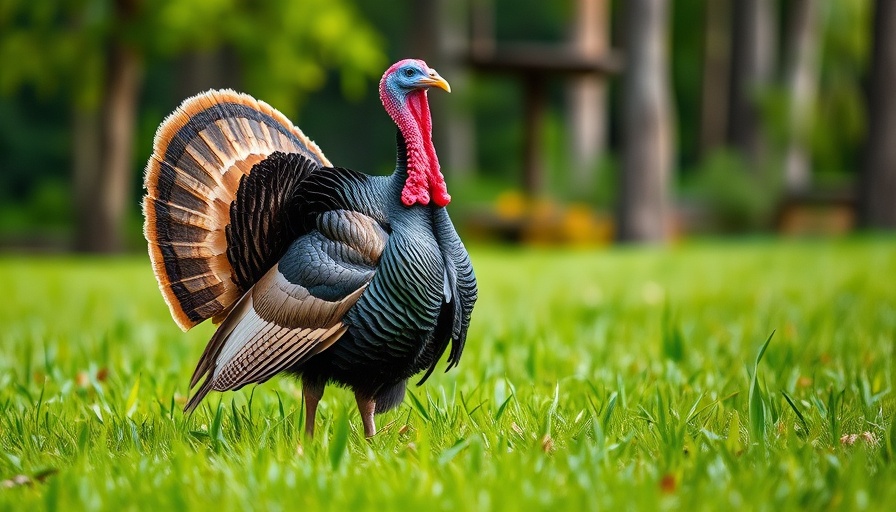
Wild turkey in Wisconsin hunting area.

The Secret Life of Hens: What Every Spring Turkey Hunter Should Know

Spring in Wisconsin calls adventurers outdoors, and for those who embrace the wild, turkey hunting stands as one of the best seasonal pastimes. Imagine sitting quietly as the sun peeks over the horizon, armed with nothing but a trusty call and your favorite camouflage. But here’s a hot tip from the woods: when it comes to filling your spring turkey tag, the real action might just revolve around our feathered friends—the hens!

Why Hens Matter More Than Gobblers

Contrary to popular belief, the behavior of those longbearded gobblers isn’t just a random dance through the woods. Nope! They have their routes, and they're just following the ladies around like love-struck teenagers at a school dance. The truth is, hens exhibit more predictable movement patterns, making it essential for hunters to understand their daily habits.

These feisty females often dictate the action, and as any seasoned turkey hunter knows, where the hens go, the gobblers follow. So if you can track a hen’s schedule, you can anticipate gobbler activity accordingly. Think of it like following your favorite rock band on tour; where they perform, the fans (and gobblers) aren’t far behind!

Grab Your Gear: Some Fun Facts

If you’re gearing up for your turkey adventure, make sure you’re not just packing snacks (though that’s important too). Here are some fun facts to keep in your back pocket while you’re out in the field:

  • Did you know that turkeys can fly? While they prefer to strut around on the ground, they can take off to reach heights of up to 200 feet. So don’t count on the tree cover to save you!
  • Male turkeys, known as toms or gobblers, are known for their distinctive gobbling sound. But if you hear a hen clucking, that's an invitation for toms. So pay attention to those hen calls!
  • Wisconsin's wild turkey population was nearly nonexistent in the early 20th century, but conservation efforts have made it a thriving species again. Talk about a comeback!

Your Spring Turkey Calling Game Plan

To successfully call in a gobbler, you’ll want to master a few common hen calls. Start with the cluck and purr—simple sounds that imitate the natural way hens communicate. Add a bit of finesse by mixing in some yelps, and watch as the gobblers come running like kids on Christmas morning. Remember, practice makes perfect!”

And here's the kicker: when hens go silent, it can be a sign that the gobblers are strutting their stuff and pushing their luck. This is the ideal time for you to switch up your calling strategy—kick it up a notch! A sudden burst of excited hen calling can turn the tables and spark curious gobblers, bringing them your way.

Staying Informed: Weather and Timing

Timing is everything in turkey hunting! Consider the daily movement patterns of turkeys, especially as they relate to sunrise and sunset. Wisconsin’s spring weather can be unpredictable, so dress in layers and consider getting the latest weather updates before heading out. If a front is moving in, take advantage of the calmer weather before it hits, as turkeys often feel secure and hunt close to their roosts during these periods.

Safety Tips: Don’t Be a Turkey!

Lastly, safety should always be at the top of your checklist. Wear your blaze orange! Contrast to the turkeys, who can see a rainbow of colors, you want to stand out—not just for the birds, but also for other hunters. Sharing the woods means keeping everyone safe! Plus, being seen will ensure you don’t have a fellow outdoorsman mistaking you for a gobbling kissy-face.

Conclusion: Let’s Get Gobblin’!

So there you have it, folks! Spring turkey hunting in Wisconsin doesn’t just hinge on finding the gobblers; it’s all about understanding the hens. With their predictable routes and behaviors, they’re your golden ticket to mastering the hunt. Equip yourself with knowledge, respect the woods, and don’t forget to tell a ridiculous turkey joke while you’re at it—like: Why did the turkey cross the road? To prove he wasn’t chicken!

Now that you’re armed with some hen wisdom, it’s time to grab your gear, head to your favorite hunting area, and take full advantage of the fantastic Wisconsin outdoor activities that await you. Happy hunting!

Outdoors & Adventure

1 Views

0 Comments

Write A Comment

*
*
Please complete the captcha to submit your comment.
Related Posts All Posts
05.23.2026

Humminbird Mega Live 2 vs. Garmin Livescope: Which Forward-Facing Sonar Wins?

Update The Showdown: Humminbird Mega Live 2 vs. Garmin Livescope If you’ve ever spent a day on Wisconsin’s pristine lakes, where autumn leaves twirl into the water and the sun glistens on the waves, you likely know the thrill of fishing. But how do you keep your lines tight and maximize your catch? In the world of angling, technology makes a splash, and the forward-facing sonar systems offered by Humminbird and Garmin take center stage in this battle for fishing supremacy.In BEST FORWARD FACING SONAR: Humminbird Mega Live 2 VS. Garmin Livescope?, the analysis of cutting-edge fishing technology prompts our in-depth review of their competitive features. Understanding Forward-Facing Sonar Technology Forward-facing sonar systems, such as the Humminbird Mega Live 2 and Garmin Livescope, promise to improve your fishing journey by providing real-time views of underwater objects and fish. It’s like having fish-flavored glasses that show the underwater world in full color! In our experiment, we set both systems to the same settings on the same vessel, creating a level playing field akin to a Wisconsin nature hike where you’d compare trails to see which leads to the best waterfall. First Impressions: Side-by-Side Comparisons With both the Humminbird Mega Live 2 and Garmin Livescope side by side, the advantages and quirks of each unit started to reveal themselves. The Mega Live 2 boasts a visually crisp interface, while the Livescope offers intuitive controls that could rival an artist with a paintbrush. It’s essential to tune the settings just right, like adjusting your fishing rod to the perfect angle for the best cast. And let’s be honest—nothing spoils a fishing trip like misshapen bait! Battle of the Pros: Features that Hook Us Both units sport their share of unique features that tech-savvy anglers will revel in. For instance, the screen recording feature on the Mega Live 2 lets you capture those "you wouldn’t believe the size of this fish" moments! Meanwhile, the Garmin’s ActiveCaptain app brings connectivity to your fingertips—perfect for bragging about your fishing adventures to your friends via social media. Got Fish? We Sure Did! The ultimate goal was not only to compare tech specs but also to actual performance: catching fish. The results? Both systems snagged their fair share of walleyes! The Mega Live 2 showed fish shooting onto the screen like popcorn in a microwave—each scattered walleye dancing about in anticipation. On the other hand, the Livescope demonstrated its effectiveness, guiding our baits towards those elusive, finicky fish. Would this work for you on your weekend trips to the Wisconsin Dells? Absolutely! Tweaking Settings: It’s All About Personal Preference As we alternated between the two devices, tweaking settings was like finding the perfect s’more recipe. Do you prefer your contrast high or low? Do you like things vibrant or muted? Each angler will have their own taste, just like those who prefer their camping gear from Wisconsin outdoor gear shops, where style sometimes trumps efficiency. Final Thoughts: Which One Should You Choose? So, which is the better unit? There’s no universal answer, similar to asking which hiking trail is best in the Kettle Moraine. It boils down to personal taste, budget, and how you fish. Do you enjoy the solid reputation of Humminbird or are you leaning towards the innovation of Garmin? Whatever your preference, both will lead you to better chances at filling your cooler this fishing season. And who knows, perhaps someday, an innovative fishing device will emerge from the waters of Lake Michigan! Just think, a sonar unit that also grills your fish on the way back to shore! Drop your comments below! Which system are you rooting for – the Humminbird Mega Live 2 or the Garmin Livescope? Let’s share our stories!

05.22.2026

Get Ready for Elk Season: Apply Before May 31 in Wisconsin!

Update Wisconsin Elk License Applications Due Soon: What You Need to Know The countdown is on, my fellow mates of the wild! If you're a Wisconsin resident ready to brush up on your elk hunting skills, mark your calendars: May 31, 2026, is your deadline for applying for one lucky shot at a 2026 elk hunting license. The Wisconsin Department of Natural Resources (DNR) is excited to offer this unique opportunity exclusively to local hunters. And that’s not all – prepare for some exciting changes this year! Insights into the Elk Hunting Experience: One Season, More Opportunities For the 2026 elk hunting season, hunters will experience a smoother adventure with a continuous hunting season running from October 17 to December 13. Gone are the days of split seasons; welcome to the big leagues of elk hunting! Imagine having more time to scout those majestic elk while enjoying Wisconsin’s breathtaking scenery. You can apply for either a bull or an antlerless license in specified hunting units. This flexibility is a welcome change for many experienced hunters still recovering from last fall's elk hunt fiasco where, rumor has it, a bull elk got away while the hunter was tying his shoelace! Talk about a slow slip into the wild! How to Apply: A Step-by-Step Guide The application process is as easy as pie—apple pie, if you ask me! You can apply online at GoWild.WI.gov or visit one of the many license agents scattered around our beloved state. Each application costs just $10 – with $7 of that going directly towards the enhancement of elk habitats (that’s a win-win!). Remember, only one elk hunting license can be issued per person during a lifetime, which means it’s like winning the lottery but way, way cooler because... you know: elk! Preparation Makes Perfect: The Colorado Elk Hunter Education Course Upon hearing your anticipated good news, congratulations will come your way, but there's a catch: you must participate in a Wisconsin elk hunter education course before you strap on that harness and head for the hills. This course not only boosts your elk knowledge but also ensures you’re well-prepared to navigate those rugged paths. Plus, it’s always fun to meet fellow adventurers who share your passion for elk hunting—so you might just find your future hunting buddy! Wisconsin’s Whale of a Time: Elk Habitat and Wildlife Conservation The application fees do more than secure your chance to hunt; they significantly contribute to research and conservation of these magnificent beasts and many other wildlife species. Can it get better than that? Well, yes! Together, every application fee adds toward maintaining the beautiful state parks, bustling wildlife areas, and sparkling rivers that we all cherish. In short, your dollar helps keep Wisconsin’s adventures alive and thriving—think of it as putting your money where the elk are! Go Wild – Beyond Elk But if elk hunting isn’t your cup of tea, worry not! Wisconsin is loaded with outdoor activities that are sure to tickle your fancy! From hiking our scenic trails to fishing in our pristine lakes, there is an abundance of ways to enjoy our great state. Grab your buddies, head out for a weekend camping trip, or browbeat your family into a canoeing river adventure—all the while soaking in the beauty of Wisconsin's nature. And if none of that sounds appealing, why not take a quiet stroll and scout for the best bird watching locations before crafting your own wildlife documentary? Who doesn't want to be the next David Attenborough? Ready, Set, Elk! You’ve got the scoop, the deadlines, and a whole slew of options for your elk-hunting journey. So grab your gear, apply, and start the countdown to October 17, when the real adventure begins! Remember, nothing says “I love the outdoors” quite like a successful elk hunt. So, until then, keep your bow strings taut and your eyes peeled for any elk signs. Leave no stone unturned—or in this case, no trail untrampled! Now go forth and let the elk hunting begin! (Side note: Don’t forget to sneak a snack or two—elk hunting can work up quite the appetite, and trail mix is way better than it sounds!)

05.21.2026

Budget Cuts Endanger Wisconsin's Outdoor Activities: Why We Must Care!

Update The Future of Wisconsin's Natural Wonders at Risk As we lace up our hiking boots and gear up for Wisconsin's outdoor adventures, a dark cloud looms over the lush landscapes we cherish. Recent proposed federal budget cuts threaten to put a serious dent in conservation efforts across the state, jeopardizing everything from the serene Wisconsin hiking trails to the picturesque national forests. Ah, but fear not, fellow nature lovers! Let’s dig into why these cuts matter and how they could potentially ruin our plans for epic canoeing adventures this summer. Finding Comedy Amidst Conservation Chaos Why do trees hate going to school? Because they drop out! Now, while we’re busy chuckling at bad puns, we must face some serious facts: since 1970, wildlife populations have plummeted by a staggering 73%. Yes, 73%! And that’s not just some random trivia to share at your next picnic. It’s a sign that without sufficient funding, our wildlife and pristine landscapes are at risk of disappearing faster than a squirrel after a nut. Federal funding is what allows organizations, including those right here in Wisconsin, to maintain and protect our precious natural resources—from the stunning landscapes of Door County to the hidden gems in the Kettle Moraine. Every Dollar Counts: The Importance of Funding Imagine planning a dream outdoor trip only to find all the good spots are closed! With proposed cuts to the U.S. Fish and Wildlife Service and the Natural Resources Conservation Service, that reality could hit us hard. Funding isn’t just about numbers; it's about preserving our beautiful Wisconsin camping sites, fishing spots, and state parks. So, what do these cuts entail? Major conservation programs could be eliminated. Crucial research and monitoring might cease. Habitat restoration projects could come to a grinding halt. For instance, the adorable migratory birds we peek at during hikes might find their habitats altered. Trust me, you don't want my hiking partner resembling a lost bird trying to find a new home! What Happens Next: A Ripple Effect If these cuts go through, we can expect to see more than just fewer birds in the sky. The entire ecosystem could start falling apart like a chain of dominoes. With fewer resources, organizations might be forced to choose between essential conservation projects. Evidently, when the funding is cut, the first in line for the chopping block may often be the programs that protect the very wildlife and habitats we adore. Talk about “cutting off your nose to spite your face!” So even as I plan my next Wisconsin hiking trails adventure, we must acknowledge that conservation isn’t just an “important issue.” It's a *critical* issue impacting our outdoor experiences, from water safety on those blissful kayaking afternoons to the majestic wildlife sightings during camping trips. Future Predictions: It’s Up to Us Predicting the future is as tricky as finding the perfect rock for skipping on Lake Michigan. But one thing’s certain: If we don’t advocate for robust environmental funding, we risk a future where our hiking clubs gather in emptier landscapes, whispering stories about the 'good old days' of abundant wildlife. Let’s keep our state’s natural heritage intact. We want kids in the future to enjoy nature as much as we do, not scroll through pictures of “once vibrant” ecosystems! Take Action: Your Voice Matters So, what can you do to help save Wisconsin’s wildlife and landscapes? Here’s a punchy thought: write a letter. Not just any letter, but a postcard from your latest camping trip touting the benefits of conservation funding! Reach out to your local representatives and let them know you care about Wisconsin’s outdoor activities! Oh, and when you’re at it, don’t forget to share some laughs about the squirrels dropping out of school for the trees! Conclusion: Let’s Save Our Outdoors Together In conclusion, our beautiful state and its abundant outdoor activities—like fishing tournaments and serene canoeing rivers—depend heavily on funding for conservation. The proposed cuts could have drastic impacts, from shrinking wildlife areas to closed fishing spots. So let’s joke and laugh, but together, let’s take action! Visit your local outdoor adventure parks, explore Wisconsin’s wildlife areas, and advocate for the funding that keeps our outdoor activities thriving! After all, what’s funnier than a raccoon in a trash can? A raccoon in *our* backyard, thriving thanks to effective conservation! And that’s no joke!

Terms of Service

Privacy Policy

Core Modal Title

Sorry, no results found

You Might Find These Articles Interesting

T
Please Check Your Email
We Will Be Following Up Shortly
*
*
*