


Understanding the Ecliptic: A Journey into the Cosmos
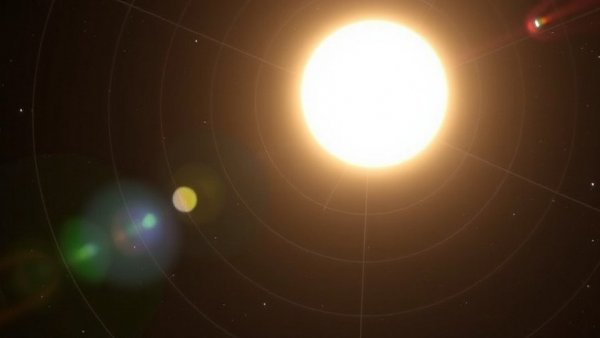
Hey there, fellow stargazers! Ever wondered what that imaginary line in the sky is that seems to guide all those twinkling celestial bodies? It’s called the ecliptic, and let me tell you, it’s not just a fancy term to make you sound smart at parties. The ecliptic represents the plane that all our planets, including our beloved Earth, follow as they dance around the Sun. Think of it as the cosmic highway—just with fewer potholes and more shooting stars!
Why Knowing the Ecliptic is No Starry Affair
Imagine sitting around the campfire at one of Wisconsin's fantastic camping sites, marshmallow in hand, sharing ghost stories about the Milky Way. Understanding the ecliptic can enhance those conversations. Why? Because knowing where our Sun moves can add a sprinkle of magic to your outdoor adventures. When you know the ecliptic, you’ll be able to plan your stargazing nights to catch unique events like meteor showers—who doesn’t want to wish on a shooting star? Plus, when you drop that knowledge at your next bonfire, your friends will think you're practically a space wizard!
Stargazing Locations in Wisconsin: Your Ecliptic Exploration Zone
Wisconsin's stunning landscapes provide ample opportunity for stellar sky-watching. From the scenic drives of the Kettle Moraine to the tranquility of Door County, you can fully experience the ecliptic's play. Popular stargazing spots in Wisconsin include:
- Apostle Islands: A beautiful setting where the night sky can leave you in awe, and where you can also spot some of the best views of the Milky Way! Just make sure to bring enough snacks for your cosmic journey.
- Devil's Lake State Park: Not just a hiker's paradise; it’s perfect for astronomy buffs as well! Imagine stretching out after a day of hiking, with a blanket, looking up at the universe—it's better than any movie!
- Kettle Moraine State Park: Made for weekend camping trips filled with hearty laughter under the stars—just make sure you don’t confuse the North Star with the campsite's lantern!
Setting up your telescope amidst nature, you might even spot planets like Jupiter or Venus, which, along with the Moon, are known to glide gracefully along the ecliptic. Just remember that if someone tells you they saw a UFO, it might just be Jupiter gleaming like the neighborhood star!
The Cosmic Connection: Ecliptic and Seasonal Changes
As you sip your hot cocoa from a thermos while snowshoeing through Wisconsin’s wintery trails, ponder on how the ecliptic affects our seasons. The axial tilt of Earth creates the seasons, and the Sun's position along the ecliptic is key to this celestial ballet. As summer invites you for canoeing adventures on the Wisconsin rivers, the ecliptic’s influence is right there with you, showing off its role in making those long days and balmy nights possible. It’s like the universe’s way of giving you perfect weather for that grill-out you’ve been planning.
Common Misconceptions About the Ecliptic
You might hear rumors about the ecliptic being an overly complicated concept, but let’s debunk that myth! It’s not just a science nerd’s playground. Understanding it can be as easy as finding your way home from the closest fishing spot after a long day on the water! Simply put, if you can find out where the Sun moves, you can generally know where the other planets will be too. And if you’re ever confused, just follow the light—unless it turns out to be a raccoon rummaging through your snacks!
Tools & Tips for Stargazing Adventures
If you're ready to challenge the cosmos and venture into this magnificent world, you might ask, "How do I start my stargazing journey?" Here are some tools and techniques:
- Get a Good Star Chart: Finding your way using a star chart can be way more fun than finding your way back after your buddies decided to ‘navigate’ to the next hot fishing spot by memory. A star chart is like a GPS for the cosmos, guiding you through constellations and bringing the universe to your fingertips!
- Use a Telescope: Not everyone goes big with telescopes, but they sure bring details of distant celestial bodies right to your front porch (or tent). Just remember not to point it at your neighbors!). A good telescope can unveil details that will make you feel like an astronaut right in your backyard.
- Download Astronomy Apps: Apps are useful, but don’t forget to look up from your phone and enjoy the view… and focus back in when your phone alerts you of a meteor shower! Some apps even let you locate planets and stars by just pointing your phone at the sky—science is amazing, folks!
Your Adventure Awaits: Ecliptic Exploration in Wisconsin
If you’re still on the fence about venturing into the great night sky, consider this: Nothing beats sharing stories of the cosmos with friends or family gathered around a campfire, nestled between sparkling stars whizzing along the ecliptic. So pick up that backpack filled with outdoor gear, and let’s dive into Wisconsin's vast stargazing opportunities. Whether you’re hiking through lush forests, kayak-paddling on glimmering lakes, or just clambering out for a midnight snack, remember—there’s magic among the stars, and it’s all mapped out for you along the ecliptic! Now that's what I call a cosmic adventure!
So grab a buddy, a telescope, and maybe even a s'more or two, and let's go track the ecliptic like the intrepid explorers we've always known we are. After all, the only thing better than exploring the ecliptic is doing it with a friend by your side and a marshmallow on a stick!





Write A Comment