


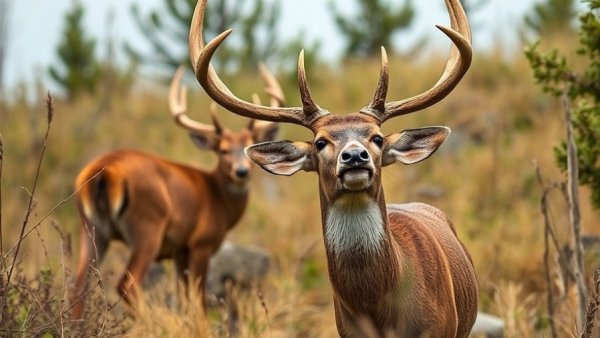
The Art of Buck Communication: Unleashing the Grunt
Ah, the elusive buck—nature's majestic creature, strutting through the forests of Wisconsin like a model on the runway. If you're an outdoor enthusiast living or vacationing in this wonderful state, you’ve likely heard of the mystical grunt call. Now, this isn't just any random noise—using a grunt call can revolutionize your hunting arsenal. Why? Because knowing the right grunt to use—and when—can make the difference between going home empty-handed and filling your freezer with delicious venison!
The Grunt Call Basics: What You Need to Know
In the grand world of deer calls, not all grunts are created equal. Think of it like this: you wouldn't order a pizza without knowing your toppings, right? Well, using grunts effectively during the pre-rut and rut seasons is akin to choosing pepperoni over anchovies—a crucial decision! Grunt calls can range from soft, eager bleats to deep, demanding bellows. The objective is simple: mimic the behavior of other deer to coax the buck closer.
So what’s the trick? You need to know when to use a soft grunt versus a powerful one, depending on the response you're trying to elicit. For example, a soft grunt may signal friendliness, while a louder grunt might convince that big guy that someone’s trying to steal his territory. When that happens, get ready for the showdown! Not only does this knowledge help with the hunt, but it helps you earn your unofficial title as the "Deer Whisperer" among your friends. Even if you don't speak fluent buck, you might as well try sharing some laughs while you’re at it!
Why Local Knowledge Is Crucial
Just like you wouldn’t try to catch a walleye in a pond full of bass, understanding the behaviors of local deer in Wisconsin can massively impact your success rate. Have you ever noticed that some hunting areas seem to be bustling with life while others feel like a ghost town? It's all about the local deer dynamics. Factors such as food availability, season, and even rutting behavior vary from one region to another. For instance, in Chippewa Valley, you might find bucks traversing different patterns than in the north woods due to landscape and habitat changes.
Let’s not forget about the impact of local food sources. In areas with agricultural fields, you might see bucks during daylight hours, while in heavily wooded regions, they may prefer the cover of darkness. Timing is everything! Planning your outings around these habits could have you sitting in a tree stand, grinning as that impressive buck ambles into view instead of staring at a tree trunk. Plus, if you’ve ever tried hunting without extensive regional knowledge, you’ll know it can feel like searching for a needle in a haystack—except the needle is a deer and your haystack is nature's finest camouflage!
Making Memories in the Outdoors
Speaking of local knowledge, Wisconsin boasts a cornucopia of outdoor activities perfect for adventure seekers. Ever tried your luck at the fishing spots at Devil's Lake or explored hiking trails in the Kettle Moraine? These experiences can enrich your hunting trips. Not only will you become a master at calling bucks, but you'll also soak up the natural beauty—making for legendary tales to regale your buddies over the campfire.
Imagine this: after a long day of hunting and grunting, you head over to one of those pristine lakes for some fishing. Who knows? The fish might be biting or maybe you'll just share the story about that time the buck almost became your new best friend! Either way, it’s all part of the great Wisconsin experience. Plus, there’s nothing quite like finishing your day with a glorious sunset as you munch on the leftovers from last night's campfire chili, hopefully with a side of freshly caught fish!
Funny Business: Why Grunting is for the Bold
Now, let’s have some fun with this. Picture this: you’re out in the woods, camouflaged like Rambo and just waiting for Mr. Big Buck to come along. You whip out your grunt call, give it a honk, and instead of a deer, you attract a squirrel. Or better yet, your buddy next to you actually finds it funny and starts imitating a turkey! It’s good for a laugh, but in all seriousness, grunting can open doors to those close encounters that hunters dream about. So, if you do attract a few curious critters—perhaps an adventurous raccoon or a partying porcupine—consider it a warm-up for the real show!
Call to Action: Become a Grunt Guru!
So, you reckon you can take your hunting game to the next level? Whether you’re hunting in Wisconsin's captivating state parks or enjoying fantastic Wisconsin camping sites, honing your grunt calling skills can make an extraordinary difference. Get your grunt call ready, echo those deer tones, and let the wilderness respond!
Remember, practicing at home can be half the fun—a great way to entertain the family—and if they give you odd looks, just remind them that you could be talking to your dinner! Plus, mastering the grunt isn't just about getting a deer; it’s about creating memories, sharing laughter, and making sure your hunting trips are anything but ordinary.
In conclusion, as any seasoned hunter will tell you, the art of grunting is as essential as the most well-tuned bow. So gear up, grab those calls, and let the rhythm of nature guide you. With a little luck and a lot of practice, you might just have that buck strutting right into your sights, or at the very least, a good story to tell at the next bonfire!


Write A Comment