


Understanding the Importance of Quitting Tobacco
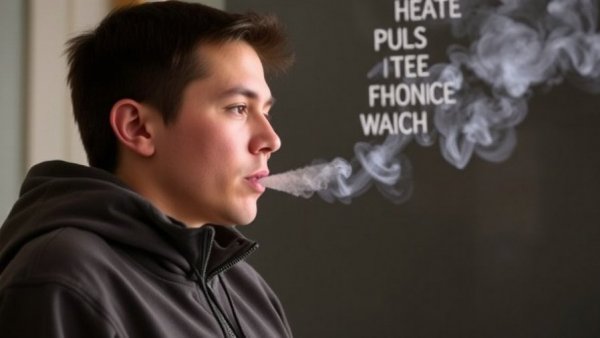
As National Tobacco Cessation Month approaches, many smokers in Wisconsin are reminded that quitting tobacco is not just beneficial but essential for improving health. The Great American Smokeout, taking place on November 19, is a pivotal moment for individuals to take the first step in their journey toward a tobacco-free life. Many smokers, like Dan, a 45-year-old from Madison, have shared their experiences with quitting. He found that with the right support and resources, he could tackle the cravings and mental blocks that kept him reliant on nicotine. As Dan said, "The moment I reached out for help was the moment everything changed. Quitting is hard, but with support, it becomes achievable." This sentiment echoes the experiences of thousands of Wisconsinites who have navigated similar paths to reclaim their health and lives from the grips of tobacco addiction.
Support Systems Available in Wisconsin
Wisconsin offers a number of free resources designed to support residents in their quitting process. The Wisconsin Tobacco Quit Line is a standout option, providing personalized quit coaching tailored to individual needs. Residents can reach out via phone or text for around-the-clock assistance. In recent years, the Quit Line has seen a remarkable increase in engagement, reflecting a growing awareness of its resources. In 2025 alone, over 4,300 individuals signed up after being inspired by success stories of others who went smoke-free.
Moreover, programs like Live Vape Free cater specifically to the younger demographic, focusing on teens aged 13 to 26. This initiative not only encourages quitting but also offers options for nicotine replacement therapies, ensuring that resources are accessible and relevant for various age groups and needs. Additionally, contact with school health programs means that teens can receive support within environments where they are already comfortable.
The impact of these support systems is profound. Programs actively empower individuals by providing them with the knowledge, resources, and community backing that are essential for successfully quitting tobacco and vaping. The journey is undeniably tough, yet with structured support and encouragement, many have found their way to a healthier lifestyle.
Health Benefits of Quitting: A Quick Recovery
The health benefits of quitting tobacco are significant and remarkably swift. Within days, former smokers often experience improvements in breathing and circulation, alongside enhanced taste and smell. Paula Tran, Wisconsin State Health Officer, emphasizes that quitting is an ongoing process with longstanding benefits. By reducing risks of heart disease, stroke, COPD, and several forms of cancer, individuals can potentially add a decade or more to their life expectancy.
Not only does quitting tobacco increase lifespan, but it also enhances the quality of daily life. Many individuals report an increase in energy levels, better focus and productivity, and a reduction in anxiety and stress, which can be particularly appealing in today's demanding world. Beyond physical health, quitting tobacco also allows previously dependent individuals to engage better with their families and friends, promoting a healthier, smoke-free environment for loved ones.
Local Perspectives on Building a Quit Plan
For many in Wisconsin, the path to quitting involves creating a realistic quit plan and setting achievable goals. The Wisconsin Department of Health Services also suggests involving support groups, which foster a community of encouragement and shared experiences. The emotional resilience garnered from participating in community quit initiatives contributes to long-lasting success. Participants often report that becoming part of a supportive network made them feel accountable and motivated in their quitting journey.
Furthermore, those crafting a quit plan are encouraged to identify their personal triggers—situations or locations where they might feel compelled to smoke or vape. By understanding these triggers, individuals can devise strategies to avoid or handle them better. A quit plan can include setting a quit date, seeking professional counseling, utilizing nicotine replacement therapies, or engaging in alternative activities to distract from cravings.
Embracing a Healthier Lifestyle
As Metcalfe, a participant of the First Breath program, said, "Joining the program not only helped me quit but also inspired me to take better care of myself overall." Success stories across Wisconsin illustrate the interconnectedness of quitting tobacco with the broader themes of health and wellness. For many individuals, the decision to quit can spark a ripple effect, encouraging them to adopt healthier habits such as improved nutrition, regular physical activity, and mindfulness practices.
By taking the first step with the Great American Smokeout, residents can connect with valuable community resources, turning what once felt challenging into a trajectory of hope and renewal. Local health communities often organize events around this initiative, providing opportunities for smokers to gather, share stories, and strengthen their resolve. This communal experience not only adds a layer of encouragement but also reminds participants that they are not alone in their struggle.
Conclusion: A Call to Action
The fight against tobacco addiction is a vital aspect of public health in Wisconsin. With resources readily available and a supportive community backing them, individuals have every opportunity to quit successfully. If you or someone you know is considering making a quit plan, now is the perfect time to take that step, especially with the Great American Smokeout on the horizon. Remember, every quit attempt is a success in itself and brings you one step closer to a healthier, smoke-free life. For those interested in learning more about quitting support services, visit the Wisconsin Department of Health Services website. Together, Wisconsinites can work towards a future with diminished tobacco dependency and improved overall wellness.




Write A Comment