


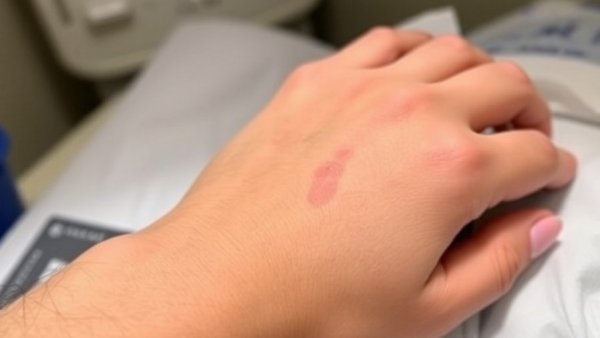
The Somber Reality of the Measles Outbreak in Wisconsin
The recent measles outbreak in Wisconsin has made headlines for a heartbreaking reason: the death of an infant connected to the outbreak. Announced by the Wisconsin Department of Health Services (DHS), this marks the first such fatality in the state in over three decades, stirring emotions and concern throughout Wisconsin. The official cause of death was listed as measles, a stark reminder of the dangers associated with vaccine-preventable diseases.
DHS Secretary Kirsten Johnson expressed her sorrow, emphasizing the tragedy of losing a child to an illness that is preventable by vaccination. "Any death of a child is a tragedy and even more so when it is related to a vaccine-preventable disease," she stated. This sentiment resonates deeply within our communities, reinforcing the importance of vaccination as a protective measure against serious illnesses.
The Current Landscape of Measles in Wisconsin
As of November 3, 2026, there have been 431 reported cases of measles in 13 different counties in Wisconsin, marking the state's highest number of cases in over 35 years. Out of these, nine individuals required hospitalization due to severe symptoms. The response from the DHS has been robust, aiming to mitigate the situation through vaccination efforts and community outreach.
With 42,000 doses of the measles, mumps, rubella (MMR) vaccine already administered, local health departments are mobilizing to reach more residents. By protecting our communities through vaccination, we can stop such outbreaks before they begin. Collaboration between healthcare providers, local agencies, and families is essential in ensuring that vaccination rates increase and that the community is well-informed about the realities of the disease.
Understanding the Measles Virus and Its Complications
The measles virus is highly contagious. It can be spread through respiratory droplets when an infected person coughs or sneezes. Measles can lead to severe complications, especially in young children, pregnant individuals, and immunocompromised patients. These complications can include pneumonia, brain swelling, and other life-threatening conditions, further emphasizing the critical need for intervention through vaccinations.
Health experts warn that measles isn't just an inconvenience; it can lead to long-term health issues or even death. Those who are not vaccinated risk not only their health but also the health of others, especially those who cannot be vaccinated due to medical reasons, such as allergies to vaccine components or other underlying health conditions. Understanding these risks is crucial for informed decision-making regarding vaccination.
Why Vaccination Matters: A Call to Action
The CDC reports that two doses of the MMR vaccine are about 97% effective at preventing measles. This statistic underscores the vital role of vaccination, not only as a personal safeguard but as a collective shield protecting our communities. It is imperative that we prioritize vaccinations in light of public health initiatives aimed at increasing awareness about vaccine-preventable diseases.
DHS urges all Wisconsinites to assess their vaccination records promptly. They can easily access their information through the Wisconsin Immunization Registry or consult with local health providers. Individuals who suspect they may have been exposed to measles or exhibit symptoms like fever and rash should contact healthcare providers before seeking treatment to protect others from exposure.
Local health authorities are not only providing vaccinations but are also distributing educational materials that explain the importance of immunizations and the various diseases they prevent. Families should actively participate in educational sessions offered in their communities to better understand how vaccines work and why they are necessary.
Looking Ahead: Implications for Public Health
This tragic case serves as an urgent reminder of the need for vigilance in public health. Public health initiatives and educational programs focusing on vaccination and disease prevention must continue to evolve. Wisconsin is home to numerous wellness programs and resources aimed at fostering a healthier community. Active participation in these wellness activities and education initiatives is key to preventing future outbreaks.
Furthermore, community engagement is crucial. Local organizations often host information sessions, health fairs, and vaccination clinics, making it easier for families to access healthcare resources. It is essential that residents stay informed about such opportunities and take part actively in community health initiatives.
Fostering Resilience Through Community Wellness
For those interested in a proactive approach, keep informed about local public health resources and programs that promote vaccination and overall wellness. Engaging in these efforts not only helps safeguard personal health but contributes to the well-being of the entire community. Encouraging discussions within families and friend circles about the importance of vaccinations can help dispel misconceptions and fears surrounding immunization.
Additionally, Wisconsin has seen a rise in wellness programs, particularly those targeting mental and physical health, aimed at building community resilience. Participating in holistic health practices—like yoga, mindfulness, or physical activity—can improve overall well-being and galvanize community support for public health measures.
Conclusion
The sadness stemming from this measles outbreak reminds us of the critical importance of vaccination. It highlights the responsibility we share in protecting one another through informed health decisions. Engaging with local health initiatives in Wisconsin can empower individuals and families, ensuring that preventive measures are at the forefront of community health efforts.
For more detailed information on the measles outbreak and available vaccinations, please visit the Wisconsin Department of Health Services website. Stay informed, protect your health, and be an advocate for wellness in your community. Together, by promoting healthy practices and prioritizing vaccinations, we can work to create a safer environment for everyone.




Write A Comment