


Measles Exposure Alert: What You Need to Know
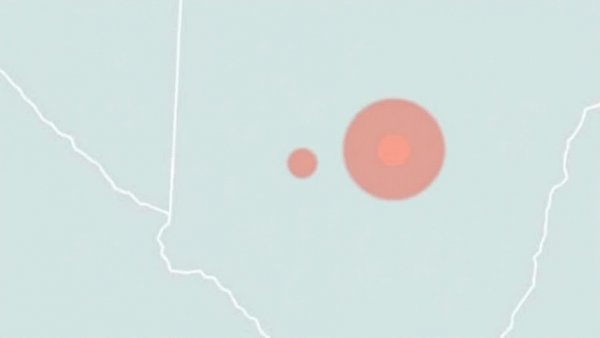
The Wisconsin Department of Health Services (DHS), along with the Marathon County Health Department, has issued an important alert after confirming a possible measles exposure in the community. Residents in the area should take note of this exposure, especially those who might have visited the Marshfield Medical Center – Weston emergency department on November 5, 2026, between 1:30 PM and 3:30 PM. The health authorities are working efficiently to trace all individuals who may have come into contact with the infected person. This serves as a critical reminder about the significance of staying informed regarding public health issues that can affect us all.
Understanding the Risks Associated With Measles
Measles is a highly contagious viral infection that can lead to severe health complications, particularly among vulnerable populations. It spreads through respiratory droplets when an infected person coughs, sneezes, or even talks. As a result, measles can also be transmitted in enclosed spaces, making public areas particularly risky during an outbreak.
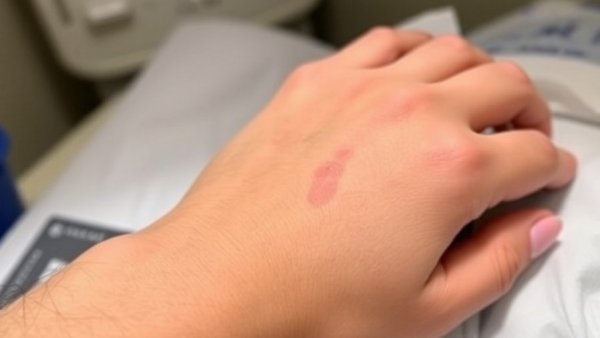
Symptoms typically start appearing 10-14 days post-exposure and may include fever, cough, runny nose, red eyes, and, eventually, a rash. The rash often appears about 14 days after exposure. Particularly vulnerable are unvaccinated individuals, children under five, and pregnant women. It is crucial to check your vaccination records or consult healthcare providers as soon as possible. Understanding these risks is vital to protect not only your health but the health of those around you.
Checking Immunization Status: A Crucial Step
Health officials stress the importance of checking vaccination status promptly. Wisconsin residents can utilize the Wisconsin Immunization Registry or contact local healthcare providers for information regarding their measles vaccination. If you find yourself unvaccinated or unaware of your immunity, it is critical to get vaccinated through your healthcare provider, clinic, or local pharmacy.
Taking this step not only safeguards your health but also contributes to herd immunity, which protects those who cannot be vaccinated due to medical reasons. As a collective, a higher vaccination rate within the community can act as a buffer against the spread of infectious diseases like measles.
Preventive Measures and Early Detection
Early detection is vital in managing measles cases effectively. Should you experience symptoms within 21 days of exposure, it is recommended to contact your healthcare provider before seeking in-person care. Informing them about potential exposure allows for appropriate care without further risking the spread of the virus.
The necessary preventive measures extend beyond individual action. Community awareness and education programs can aid in informing the broader population about symptoms and the importance of vaccination. It’s also worth noting that maintaining good hygiene and following health department guidelines during outbreaks can significantly mitigate the risks of transmission.
Community Health Initiatives in Wisconsin
This incident coincides with broader health initiatives aimed at boosting community wellbeing across Wisconsin. The Wisconsin Department of Health Services continually promotes wellness programs, immunization campaigns, and other preventive health measures. Local health departments and clinics have established outreach activities to increase awareness about the importance of vaccinations and health screenings.
Various schools and community organizations are also collaborating to ensure that families have access to crucial resources and education. For instance, vaccination drives and information sessions are often integrated into community festivals and gatherings, promoting health in a familiar environment. In these ways, the community actively participates in fostering a healthier population.
Exemplifying Community Resilience Through Health Awareness
While the measles scare serves as a wake-up call, it also highlights the essential nature of public health awareness within Wisconsin communities. Recognizing the responsibilities we have to ourselves and to one another forms the basis of a resilient society. Education regarding health measures is imperative in ensuring that such outbreaks do not escalate. Community engagement in health initiatives helps reinforce this bond and enhances community resilience.
Moreover, during events like these, sharing information through various platforms—such as local news channels, social media, and community boards—can help keep everyone informed and prepared. The collaborative efforts to spread awareness ensure that all individuals are conscious and proactive about their health and the health of others around them.
Resources for Health and Wellness in Wisconsin
In light of the current situation, residents can find an array of resources dedicated to health and wellness in Wisconsin. Programs range from nutrition counseling to chronic disease management via local wellness centers. Mental health services through organizations like Mental Health America of Wisconsin, and community clinics offering vaccination services are readily available. Staying informed about these wellness resources is crucial for individual health and collective community wellbeing.
Residents may also want to explore telehealth options, which offer flexible access to healthcare providers, particularly during an outbreak when in-person visits should be carefully considered. Educational materials, workshops, and health screenings offered by community organizations can further enhance wellness knowledge and practices in local neighborhoods.
Your Health Matters: Take Action Today
The recent measles exposure incident underlines the importance of vigilance regarding immunizations and health awareness. Ensure you and your family are protected against vaccine-preventable diseases. Familiarize yourself with local vaccination programs and participate in community health initiatives. Your proactive engagement promotes not only personal health but also the well-being of our communities.
By taking these steps, not only do we protect ourselves, but we also contribute to a culture of health and safety. In sharing knowledge and encouraging others to participate in vaccination efforts and wellness education, we can build a stronger, healthier Wisconsin together.



Write A Comment