


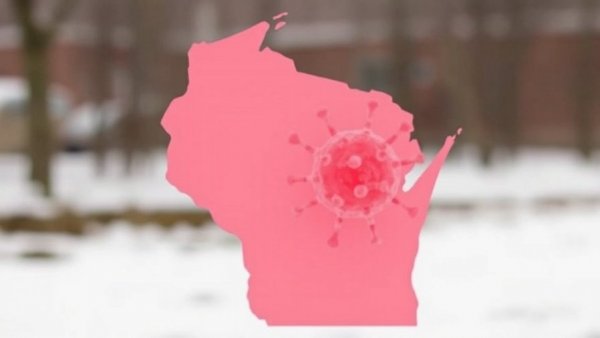
Wisconsin Measles Outbreak Claims Another Life: What You Need to Know
As Wisconsin grapples with a challenging measles outbreak, the recent announcement from the Department of Health Services (DHS) that a third death has occurred has heightened concerns among the public. This tragic news reinforces the critical importance of vaccination and community health awareness, as measles is a highly contagious virus that can have severe consequences.
Understanding the Current Situation
Since August 2026, the state has reported an overwhelming total of 918 confirmed measles cases across 24 counties, with nearly all cases (99.2%) attributed to unvaccinated individuals or those whose vaccination status is unknown. Among these cases, 20 patients have required hospitalization, illustrating the serious health risks associated with this preventable disease. The outbreak serves as a stark reminder of how vaccination gaps can affect community health on a large scale.
The Role of Vaccination in Public Health
Vaccination remains the most effective method of protecting against measles. The measles, mumps, and rubella (MMR) vaccine has shown approximately 97% effectiveness for those receiving two doses. This means that by vaccinating, individuals not only protect themselves but also contribute to herd immunity, which offers protection to those who cannot receive vaccinations, such as young infants or immunocompromised individuals. The Wisconsin Department of Health Services has actively distributed over 55,000 doses of the MMR vaccine to combat this outbreak, underscoring their commitment to public health. Continued advocacy for full immunization schedules is crucial, as health departments strive to educate families about the significance of immunizations for children and adults alike.
Community Outreach Efforts
In an effort to quell the outbreak, nearly 100 DHS staff members are collaborating with local health departments and healthcare providers to coordinate testing, outreach, and vaccination programs. This multi-faceted approach includes health education campaigns aimed at informing the public about measles transmission and the importance of vaccinations. Additionally, the DHS has made resources available to help communities better understand measles symptoms, vaccination benefits, and how to protect themselves. These resources include access to local vaccination clinics and community forums intended to encourage open discussions about vaccination, potentially reducing misinformation about vaccine safety.
Measles Symptoms You Should Know
Measles symptoms typically manifest 10 to 21 days after exposure, beginning with a high fever, cough, conjunctivitis, and a runny nose. These initial signs may be accompanied by a general sense of malaise, which can progress to more severe symptoms. If individuals experience these signs, especially if accompanied by the characteristic rash that spreads from the hairline to extremities, it is crucial to seek medical advice promptly. This proactive approach can help minimize the risk of spreading the virus to others. Community awareness is key—recognizing the symptoms early can significantly impact the outbreak's control.
Understanding Complications
Complications from measles can be severe, particularly for vulnerable populations such as young children, pregnant individuals, and those with weakened immune systems. Common complications include ear infections and diarrhea. More serious complications can include pneumonia, which is a lung infection, and encephalitis, which is an inflammation of the brain that can lead to long-term neurological damage or death. Educating the public about these potential complications underscores the importance of early detection and timely vaccination.
Future Predictions: Impact of Vaccination
Looking ahead, the state’s health initiatives are likely to focus more intensively on vaccination outreach and education. Public health leaders are not only working to address the current outbreak but are also committed to preventing future incidents through stronger vaccine advocacy and enhanced accessibility to preventive health care services. The long-term goals may include partnerships with local schools and community organizations to facilitate vaccination drives, ensuring that every eligible child receives their vaccinations on time.
Your Health Matters: Resources Available
Wisconsin residents are encouraged to stay informed about state health initiatives, including programs offered by local wellness centers and organizations such as Mental Health America of Wisconsin. Community health workshops, screenings, and educational sessions are vital tools in empowering individuals to make informed health decisions. Additionally, many local health departments provide resources for finding vaccines and understanding immunization schedules. Keeping informed not only helps individuals but also strengthens the community collectively in its health initiatives.
Taking Action: Protecting Your Community
To protect yourself and your loved ones, ensuring you and your family are up-to-date with vaccinations is critical. You can check your vaccination records through the Wisconsin Immunization Registry or consult your healthcare provider. It’s important for families to communicate openly about vaccination status, addressing any concerns or questions that may arise. Remember, health is a community effort, and every vaccinated individual helps shield those who cannot be vaccinated. As each member of the community takes responsibility, the likelihood of further outbreaks can decrease significantly.
Conclusion: A Call to Collective Responsibility
Wisconsin's fight against measles is a reminder of the importance of community health and well-being. As we navigate the complexities of public health challenges, it is essential for everyone to play their part through vaccination and awareness initiatives. Together, we can build a healthier future for Wisconsin. Engaging in community efforts, seeking reliable information, and participating in vaccination programs not only protects individual health but also fortifies the entire community against preventable diseases.




Write A Comment